Departmental Overview

The B.Tech in Computer Science and Engineering (Cyber Security) offers a comprehensive curriculum covering cybersecurity aspects from network security, cryptography, ethical hacking, cyber laws, and incident response, to digital forensics. The programme is updated to reflect industry trends with an emphasis on hands-on learning through practical sessions, lab exercises, and projects.
Industry lab collaborations with various software industries, foster research and innovation acumen through real-world exposure, while faculty and industry-leader mentorship support research and industry readiness. Graduates emerge as skilled professionals ready to tackle global cyber threats with leadership and ethical responsibility. GNIT is recognized as one of the best B.Tech colleges in India, offering exceptional education and opportunities for aspiring engineers.
Vision & Mission
Vision
To craft a motivated cluster of Computer Science Engineers for Academic Excellence.
Mission
- To instill academics in Computer science Engineering by providing conducive and disciplined environment for lifelong learning.
- To build the right attitude in the students to devise, extend and investigate software systems in all domains.
- To implant the resilience of knowledge enhancement, proficiency and team work in the students to make them globally competent.
Programs
B.Tech. in Cyber Security – 60 students
| Program | B.Tech |
| Duration | 4 years |
| Eligibility Criteria | HSC (10+2) in MPC (or) Diploma in Computer for direct admission into 2nd year. |
Faculty Profile
Experienced Academic Leaders

Dr. Neeranjan Chitare
Professor
Qualification: PhD, M.Tech., B.E.
Department: Cyber Security
Experience: 14 Years

Mr. Pawan Raut
Associate Professor
Qualification: M.Tech., B.E.
Department: Cyber Security
Experience: 17 Years

Ms. Priyanka Yadav
Associate Professor
Qualification: M.Tech., B.E.
Department: Cyber Security
Experience: 08 Years

Ms. Sashin Gupta
Assistant Professor
Qualification: M.Tech., B.E.
Department: Cyber Security
Experience: 09 Years

Ms. Prachi Tiwari
Assistant Professor
Qualification: M.Tech., B.E.
Department: Cyber Security
Experience: 10 Years

Mr. Ziaul Huda
Assistant Professor
Qualification: M.Tech., B.E.
Department: Cyber Security
Experience: 08 Years

Dr. Samil Raut
Assistant Professor
Qualification: Ph.D., M.S.(Physics), B.Tech
Department: Cyber Security
Experience: 05 Years

Ms. Shumaila Kausar
Assistant Professor
Qualification: M.Tech., B.E.
Department: Cyber Security
Experience: 05 Years

Ms. Shruti Dhale
Assistant Professor
Qualification: Ph.D(P), M.Sc, B.Sc.
Department: Cyber Security
Experience: 05 Years
HoD Message
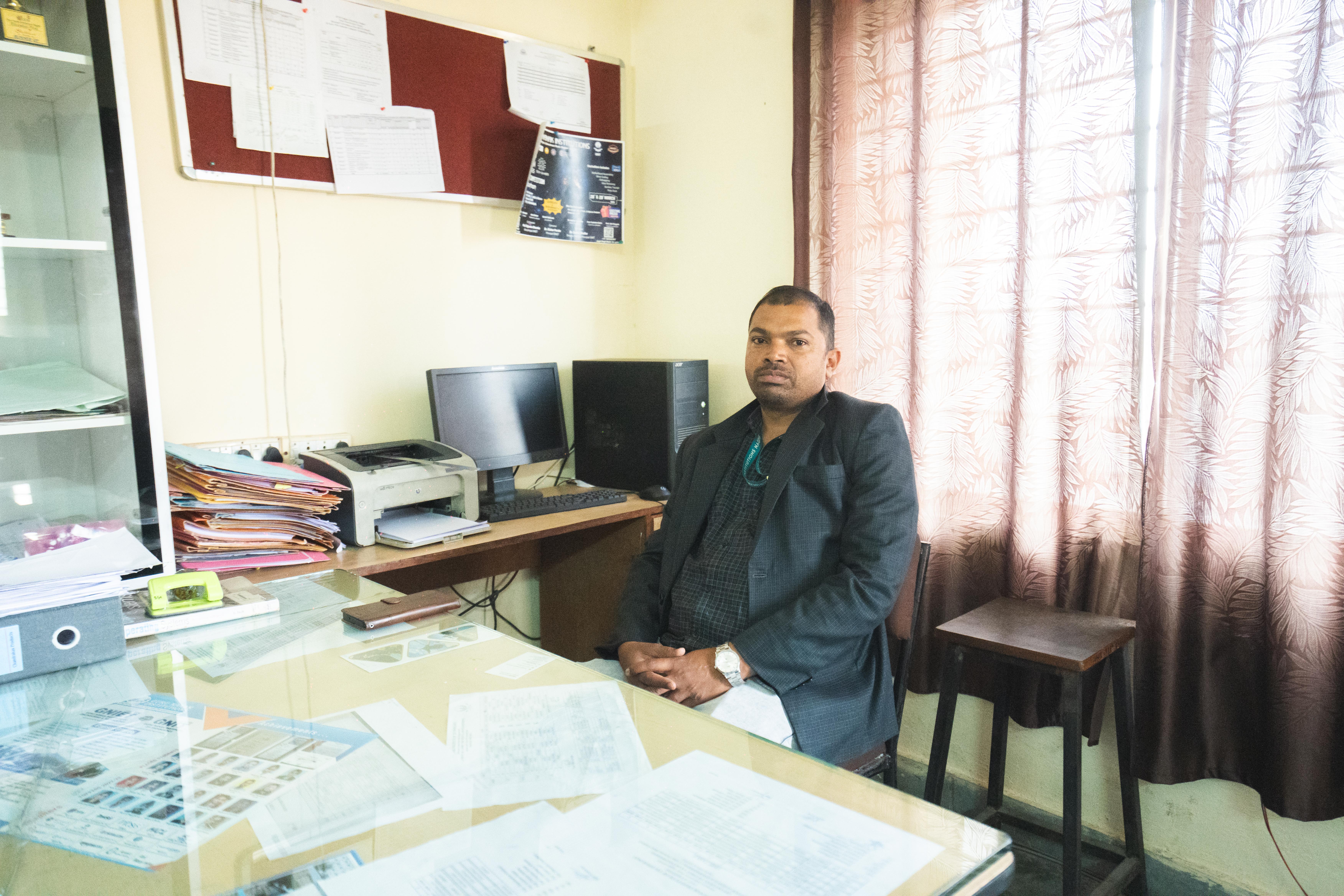
Mr. Vikas Kushwaha
Head of Department
B.E in Computer Science and Engineering with a specialization in Cyber security is a 4-year undergraduate course, designed to offer valuable career opportunities to students to fulfill the growing demand for cyber security experts to protect sensitive data holding high commercial value.
Laboratories
| Sr.No | Name | Detail | Image |
|---|---|---|---|
| 1. | Database Management System Lab | The Database Management System (DBMS) Lab at GNIT Nagpur offers practical training in SQL queries, database design, and manipulation operations. Equipped with modern DBMS software like MySQL or Oracle, students learn to create databases, tables, and perform data retrieval and updates. |  |
| 2. | Hardware Lab | The Hardware Lab at GNIT Nagpur provides hands-on experience in computer hardware components and systems. Equipped with modern hardware such as CPUs, motherboards, RAM, and peripherals, students learn assembly, installation, and troubleshooting techniques. |
 |
| 3. | Advanced Programming Lab | The Advanced Programming Lab at GNIT Nagpur offers hands-on training in advanced programming concepts and techniques. Equipped with state-of-the-art development environments and tools, students delve into topics such as algorithms, data structures, and software design patterns. |
 |
| 4. | Computer Workshop Lab | The Computer Workshop Lab at GNIT Nagpur provides practical training in computer hardware assembly, troubleshooting, and repair. Equipped with tools and components, students learn hands-on skills for building and maintaining computer systems. |
 |
| 5. | System Prograaming lab | The System Programming Lab at GNIT Nagpur offers practical experience in low-level software development and system-level programming. Equipped with tools and compilers, students explore concepts such as memory management, process synchronization, and device drivers. |
 |
| 6. | AI Lab | The AI Lab at GNIT Nagpur provides hands-on experience in artificial intelligence technologies and applications. Equipped with cutting-edge tools and frameworks, students explore machine learning algorithms, neural networks, and natural language processing. |
 |
Student Achievements
Students Achievement
Faculty Achievements
Faculty Achievement
Syllabus
RTMNU Scheme (B.Tech) [CBCS]
Departmental Events
Forum Installation
.JPG)
.JPG)
.JPG)
Incubation
.JPG)
.jpeg)
.jpeg)
Industrial Visit Kaprecon Sleepers
.jpg)
.jpg)

RACE : A TECHNICAL EVENT
.JPG)
.JPG)
.JPG)
.JPG)
.JPG)
.JPG)
Rotract Club Of GNIT
.JPG)
.JPG)
.JPG)
Raksha Bandhan Celebration With Cops
.jpg)
.jpg)
.jpg)